A washdown should leave your boat looking better, not leave white spots on the glass, chalky residue on stainless, and scale inside the plumbing. That is why owners look for a water softener with no pressure loss: soft water solves the hard-water problem, but it should not turn a simple rinse into a weak, frustrating trickle.
For boats, yachts, RVs, vehicles, and aircraft, water pressure matters. It moves soap and grime off gelcoat, clears salt from fittings, rinses canvas and windows, and makes routine cleaning faster. The right portable softener delivers the protection of softened water while keeping the flow you need for everyday washdowns.
Why pressure loss matters during a washdown
Hard water contains dissolved calcium and magnesium. When that water dries, those minerals remain behind as spots, haze, and scale. On a boat, the result can show up on gelcoat, painted surfaces, metal rails, glass, plastic, Eisenglass, fixtures, and washdown equipment. Inside, mineral scale can also collect in plumbing, water heaters, ice makers, and other onboard appliances.
Soft water removes the minerals that cause those problems. It helps soap work more effectively, rinses cleaner, and dries without the familiar hard-water spotting. But a softener that creates a noticeable drop in pressure can make the job take longer. Low flow can leave soap behind, struggle to reach upper surfaces, and make it harder to flush salt and debris from hardware.
For a 25-foot center console, that may be an annoyance. For a larger yacht with multiple washdown points and extensive brightwork, it becomes a real maintenance concern. Pressure is not just about convenience. It is part of getting a thorough rinse and protecting the finish you spent time and money maintaining.
How a water softener with no pressure loss works
A portable water softener connects in line between the dockside water source and your hose or onboard water connection. Water passes through a tank filled with ion-exchange resin. The resin captures calcium and magnesium and exchanges them for sodium ions. The result is soft water without the mineral content that creates spots and lime scale.
A well-designed portable system does this without requiring electricity, pumps, permanent plumbing changes, or complicated controls. It relies on proper tank sizing, quality resin, and a flow path built to avoid unnecessary restriction. The goal is simple: maintain the water flow supplied by the source while treating the water before it reaches your hose, vessel, RV, or vehicle.
There is an important distinction here. No portable system can create pressure that is not available from the marina, campground, home spigot, or dock. If the source has weak pressure, the softener cannot correct it. “No pressure loss” means the system is designed not to become the bottleneck. With a healthy water supply and correctly sized hoses and fittings, you should retain the usable pressure needed for normal washing and rinsing.
That is also why setup matters. A kinked hose, undersized connector, clogged spray nozzle, restricted dock faucet, or partially closed valve can reduce flow even when the softener itself is performing exactly as it should.
Portable does not mean light-duty
Portable equipment needs to handle real use. It gets moved on and off docks, stored in lockers, transported in RV compartments, and exposed to wet, demanding conditions. A softener intended for mobile use should have durable construction, secure connections, and a design that is easy to carry, connect, drain, and store.
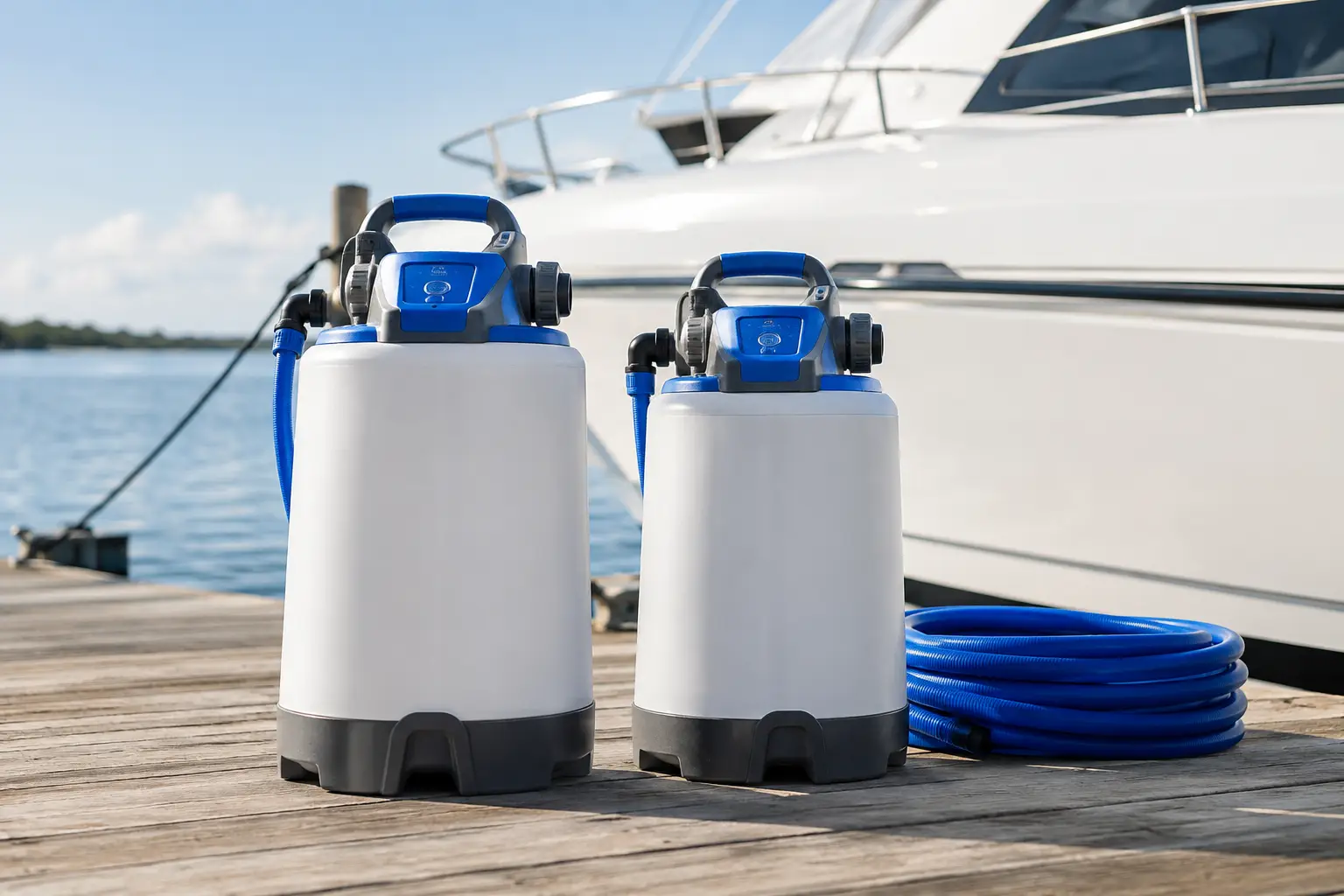
Wet Spot portable soft water systems are built for this kind of ownership. They are designed to provide soft water without an electrical hookup or a loss of water pressure, so owners can protect valuable assets without adding a permanent treatment system.
What soft water protects on a boat or RV
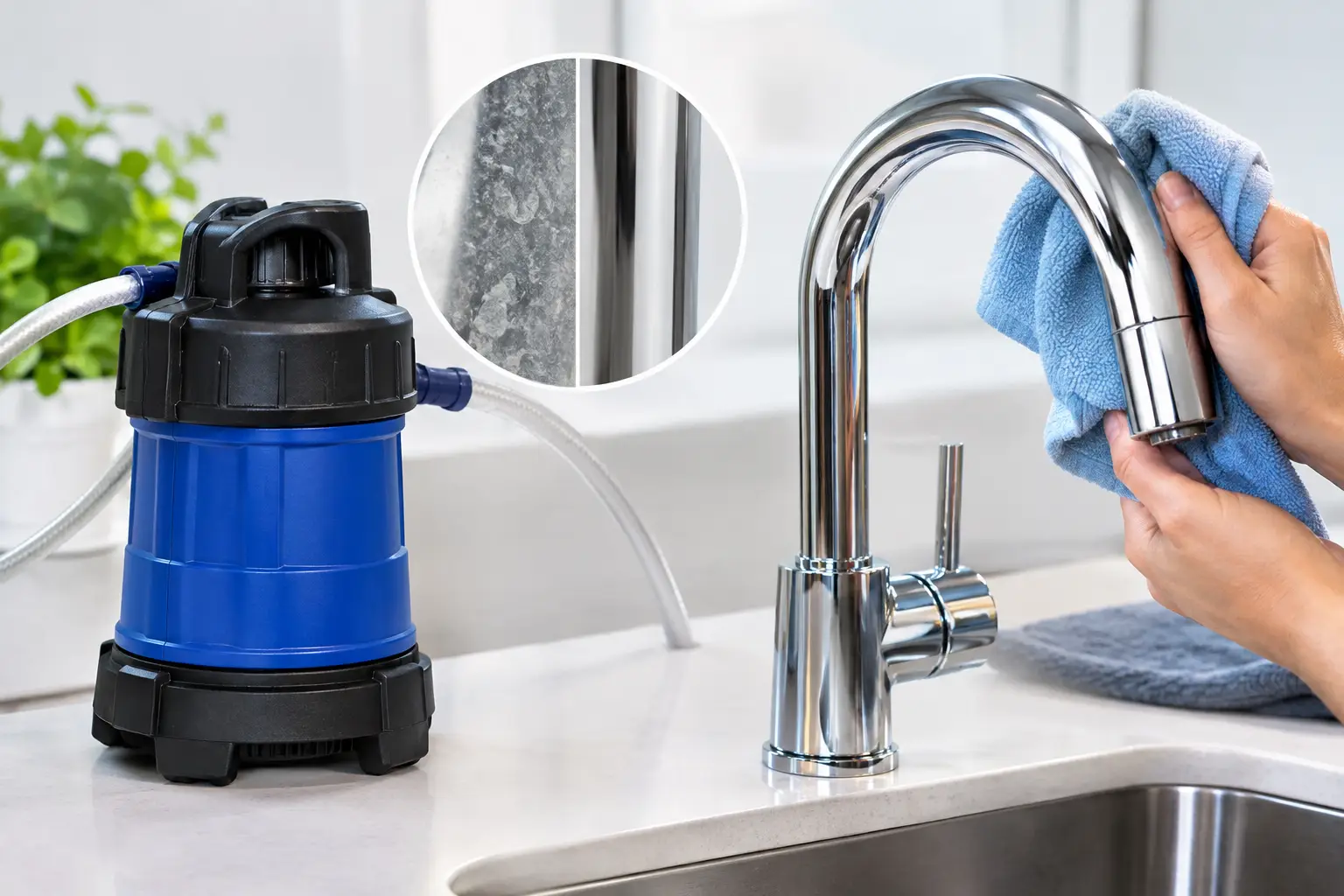
The immediate benefit is visible after a wash. Soft water helps reduce water spots and makes surfaces easier to dry. There is less mineral film left on glass, polished metal, and dark-colored finishes. Soap also rinses more cleanly, which can reduce the effort needed to get a streak-free result.
The longer-term value is inside the equipment as well. Hard-water scale can narrow water passages and coat heating elements, fixtures, pumps, and appliances. It does not happen all at once, but repeated exposure adds up. Using soft water helps reduce the mineral load that causes buildup in the first place.
For a boat owner, that can mean less time detailing after every trip and fewer concerns about hard-water residue sitting on expensive surfaces. For RV owners, it can mean cleaner showers, sinks, and exterior panels. Vehicle and aircraft owners get the same core advantage: a rinse that does not leave minerals behind to dull the finish.
Choosing the right capacity for your application
Capacity should match how you use water, not just the size of the softener tank. A small vessel that receives occasional washdowns has different needs than a yacht with frequent cleaning, multiple people onboard, and larger plumbing demands. The same is true for a weekend RV compared with a full-time rig.
Start with the size of the asset and the amount of water you typically use between recharges. Larger boats generally need more softening capacity because their washdowns cover more surface area and their onboard systems may use more water. A unit sized for a vessel under 70 feet may be a practical fit for many owners, while boats in the 70-100 foot range and vessels above 100 feet usually call for larger capacity.
Water hardness also affects capacity. Very hard water exhausts resin faster than moderately hard water. If you regularly use different marinas or travel through several regions, expect recharge intervals to vary. The system may last longer at one location and require attention sooner at another. That is normal and reflects the mineral content of the source water.
Do not choose a smaller unit solely because it is easier to store. A compact softener can be a good choice when water use is limited, but an undersized unit means more frequent recharging. The best fit balances portability, available storage, and the amount of soft water you need before maintenance.
Keep flow strong with the right setup
A no-pressure-loss softener works best when the rest of the setup supports it. Use a hose in good condition, keep it free of sharp bends, and make sure every fitting is fully seated. Check your spray nozzle as well. A clogged or overly restrictive nozzle can make a good water supply feel weak.
Before connecting, run water briefly from the source. This clears stale water and lets you confirm that the dockside or campground supply has reasonable flow. Once the softener is connected, open the water gradually and inspect the fittings for leaks. If flow seems lower than expected, troubleshoot the water source, hose, nozzle, and valves before assuming the softener is the cause.
For onboard use, follow the manufacturer’s connection guidance. Some owners use softened water primarily for washdowns, while others use it to protect onboard plumbing and appliances during dockside connections. Your preferred setup depends on your vessel, plumbing arrangement, water use, and maintenance priorities.
Recharge is part of the value
Portable water softeners need periodic recharging because the resin eventually becomes saturated with hardness minerals. Manual recharge is a straightforward maintenance step, typically performed with salt according to the unit’s instructions. It restores the resin so the system can continue producing soft water.
This is a trade-off worth understanding before you buy. A portable system avoids electrical power, permanent installation, and many of the complications of fixed equipment. In return, the owner takes responsibility for monitoring performance and recharging when needed. For most mobile applications, that is a practical exchange: simple maintenance in return for cleaner finishes and less mineral buildup.
Signs that a recharge may be due include the return of water spots, reduced soap performance, or a known amount of water use since the last regeneration. Keeping a simple record is useful, especially if several people use the boat or RV.
A better rinse protects the investment
The best water treatment equipment stays out of the way. It should be easy to transport, quick to connect, and dependable when it is time to wash down after a day on the water or a long drive. You should get the cleaning benefit of soft water without sacrificing the pressure that makes rinsing effective.
When you protect gelcoat, metal, glass, plumbing, and onboard appliances from repeated hard-water exposure, routine care becomes less of a battle. Set up the softener before the next washdown, keep the hose path clear, and let the water do the work it was supposed to do.