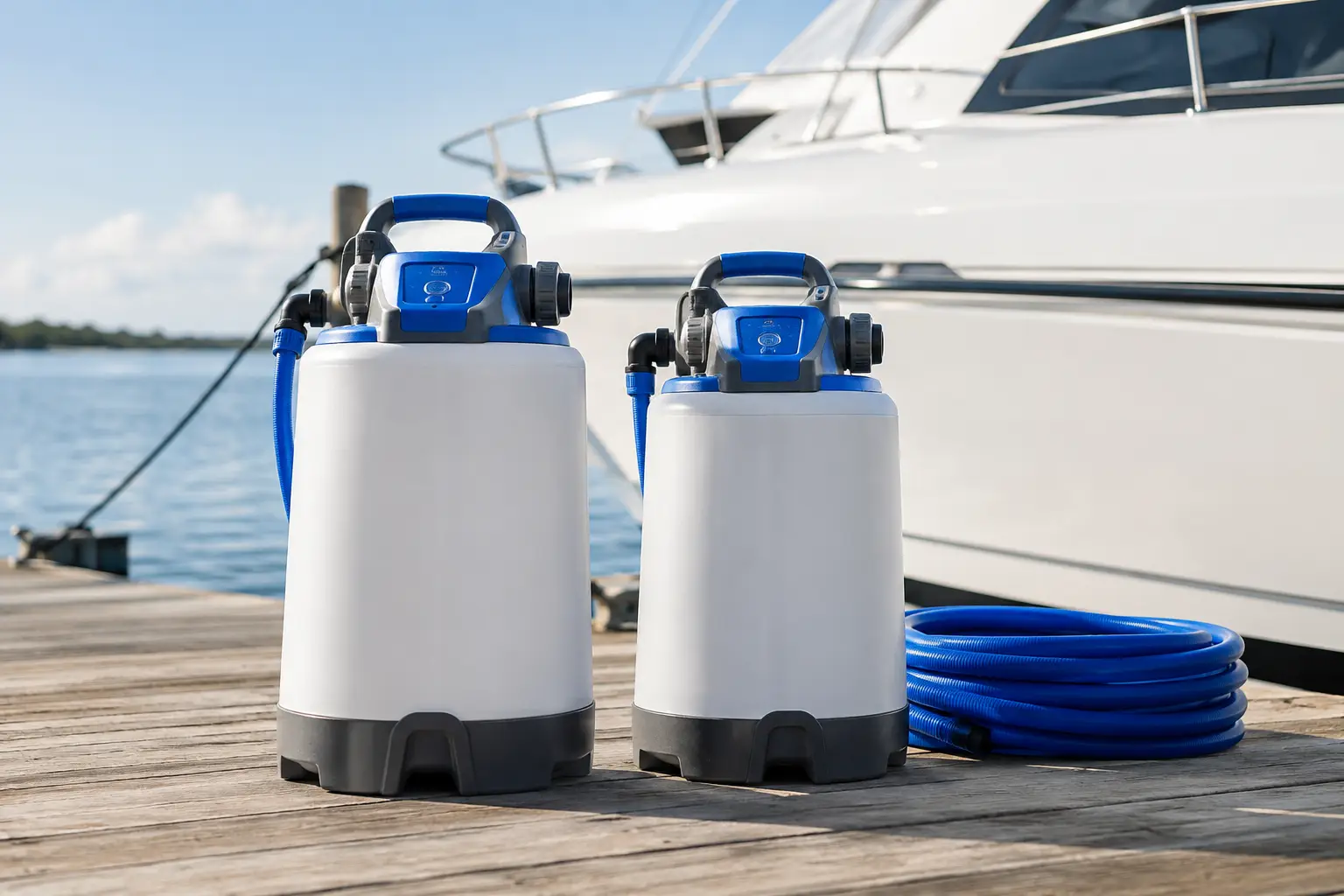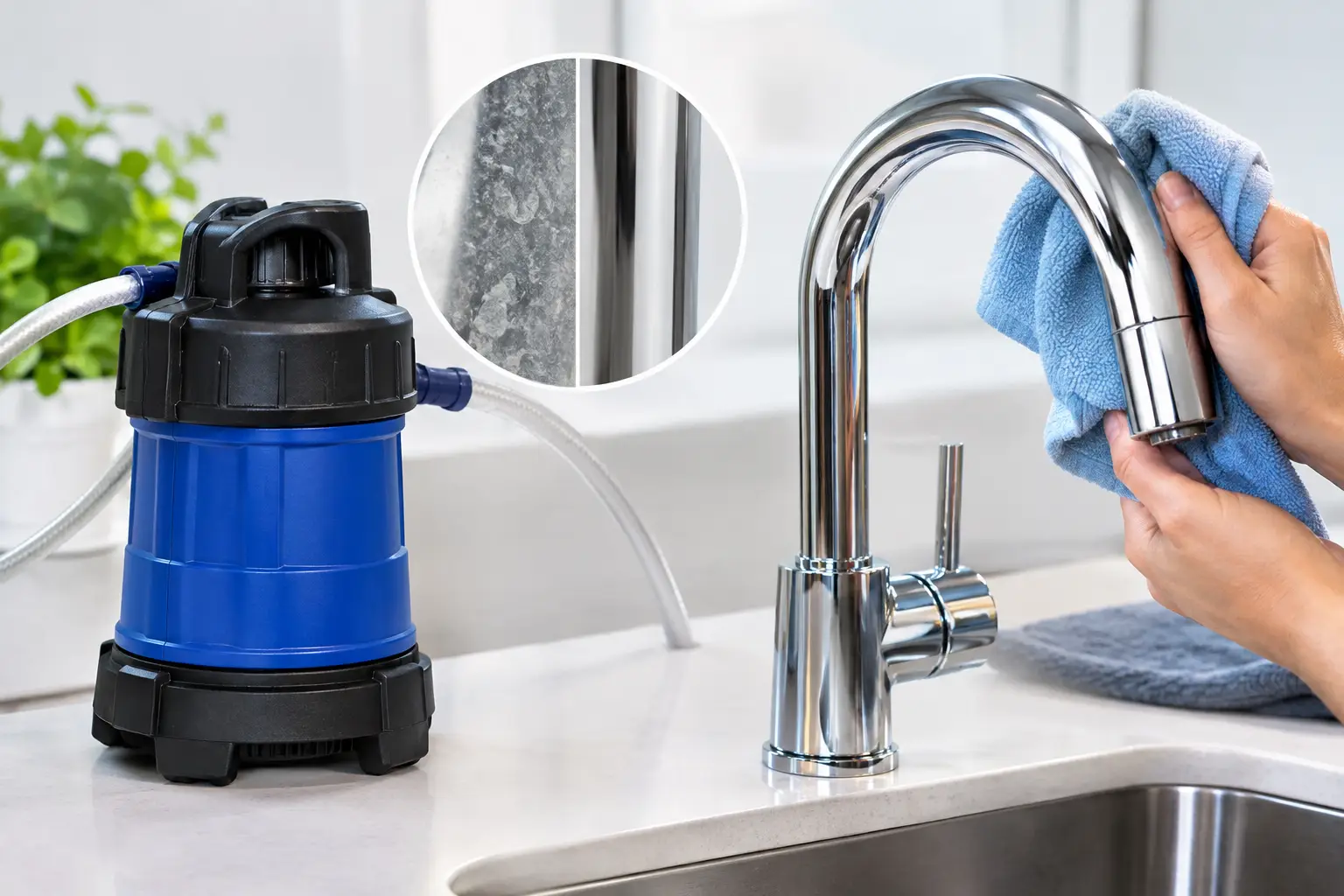
A clean boat can start showing water spots before the washdown is even dry. That is the cost of hard water: calcium and magnesium left behind on gelcoat, glass, metal, plastic, fixtures, and every surface you just cleaned. So, how long does a soft water system last? A quality portable system can provide many years of dependable service, but its true lifespan depends on how it is used, recharged, stored, and protected.
The key is separating the life of the equipment from the soft water capacity between recharges. Your tank and valves may serve you for years. The resin inside the system needs periodic regeneration to continue removing hardness minerals. Those are two very different measures of “how long it lasts.”
How Long Does a Soft Water System Last?
A well-built portable soft water system can last a decade or longer when it is properly maintained. The pressure vessel, fittings, hoses, and control components should be durable enough for regular marine, RV, automotive, or aviation use. Construction quality matters, especially when equipment is exposed to sun, salt air, vibration, dockside handling, and frequent transport.
The softening resin does not last forever, but it is not a disposable part after each use. With correct recharging and reasonable water conditions, resin commonly performs for many years. Its usable life can be shortened by chlorine exposure, iron-heavy water, sediment, improper regeneration, or allowing the system to freeze.
For owners protecting high-value equipment, the practical answer is simple: buy a system built for long-term service, then give it the same basic care you give the rest of your onboard or mobile equipment. A portable softener should reduce maintenance work, not become another maintenance headache.
System Lifespan vs. Soft Water Capacity
A portable softener works by passing water through resin beads that exchange hardness minerals for sodium ions. Once the resin has collected its available amount of calcium and magnesium, it is exhausted. At that point, the unit needs a manual salt recharge before it can make soft water again.
That does not mean the system is worn out. It means it has done its job and needs to be regenerated. Think of it like refueling a piece of equipment, not replacing it.
How many gallons you get before recharging depends on incoming water hardness and the size of your softener. Very hard dock water uses up resin capacity faster than moderately hard water. A larger vessel gives owners more capacity between recharges, which is particularly helpful for larger boats, frequent washdowns, extended stays at marinas, or households with several water-intensive uses.
This is why vessel size should match the application. A small unit may be convenient to carry but require more frequent recharging on a large yacht. A properly sized system gives you a more practical maintenance schedule and consistent spot-free results.
What Shortens the Life of a Portable Softener?
Most soft water systems do not fail because the basic concept is complicated. They fail early because harsh conditions or skipped maintenance affect the resin, fittings, or vessel. The biggest concerns are usually water quality, storage conditions, and physical damage.
Chlorine can gradually damage softening resin. Municipal water is often chlorinated, so regular exposure is normal, but high chlorine levels and long-term use can reduce resin life. Iron and sediment are also hard on a system. Iron can foul resin and reduce its ability to exchange minerals, while sediment can restrict water flow and affect performance.
Freezing is another avoidable problem. Water expands when it freezes, which can damage a vessel, fittings, hoses, or internal components. If you winterize your boat, RV, or seasonal property, include the softener in that process. Drain it according to the manufacturer’s instructions and store it where freezing temperatures will not reach it.
Physical handling matters, too. Portable does not mean indestructible. Secure the unit during travel, avoid dropping it on docks or pavement, and protect connections from being dragged, crushed, or cross-threaded. Rugged equipment earns its keep, but it still performs best when treated as the long-term asset it is.
How to Make Your Soft Water System Last Longer
The most effective maintenance is straightforward. Recharge the resin when capacity is used, follow the specified salt amount and process, and rinse the system thoroughly after regeneration. Skipping or rushing a recharge can leave the resin partially regenerated, reducing both performance and the time between future recharges.
Use clean salt intended for water softener regeneration. Contaminated or unsuitable salt can leave residue and make the process less effective. If you notice a decline in soft-water performance, such as returning water spots, poor soap lather, or a rough feel on washed surfaces, confirm that the unit has been fully recharged before assuming a component has failed.
Pay attention to the water source. If a marina or campground has visible sediment, rusty water, or unusually strong iron content, an appropriate prefiltration step can help protect the softener. This is not necessary for every water source, but it can be worthwhile in areas with known water-quality issues.
After use, keep the exterior clean and inspect connections for wear. Check hoses, seals, and fittings before a major washdown or a trip away from home. Small issues are easier to address before they become leaks, lost water pressure, or an interrupted cleaning job.
Signs the Resin May Need Service or Replacement
Recharging restores resin capacity, but eventually resin can lose effectiveness. The clearest sign is a system that no longer delivers soft water after a complete, correct regeneration. You may see persistent mineral spots, scale returning quickly, or a noticeable loss of the cleaning benefits you normally expect.
Before replacing resin, rule out simpler causes. Confirm that the incoming water was actually routed through the unit, that the flow direction is correct, and that the recharge used the right amount of salt and sufficient rinse time. A clogged fitting, worn seal, or incomplete recharge can look like exhausted resin.
Resin replacement is generally a service event, not a reason to discard an otherwise sound portable system. A durable vessel and serviceable design can continue protecting your boat, RV, vehicle, or aircraft long after the original resin has reached the end of its useful life.
Why Build Quality Pays Off Over Time
For mobile applications, a softener has to do more than remove hardness minerals. It has to travel well, connect easily, maintain water pressure, and operate without electrical power. Those practical details are what make a system useful at the dock, at a campground, in a hangar, or at home.
Wet Spot portable soft water systems are built around that reality, with rugged marine-grade construction and a 12-year warranty that reflects a long-term ownership approach. The goal is not to sell a complicated installation or a short-lived accessory. It is to give owners a reliable way to prevent water spots and mineral buildup wherever hard water is part of the job.
The trade-off is that manual systems require owners to stay ahead of regeneration. In return, you avoid electrical hookups, complicated controls, and the pressure losses that can make a washdown frustrating. For many owners, that is a worthwhile exchange for simple, portable protection.
Protect the Assets You Already Own
Hard water damage often builds slowly. A few spots after one rinse may seem minor, but repeated mineral deposits can dull finishes, etch glass, leave scale on fixtures, and create extra detailing work across an entire season. Soft water helps soap work better, rinses cleaner, and reduces the residue that turns routine cleaning into a bigger project.
A portable soft water system should be measured by more than its age. Measure it by the years of easier washdowns, cleaner surfaces, reduced scale, and protection it provides for the equipment you worked hard to own. Keep it recharged, store it correctly, and it can remain one of the simplest tools in your maintenance routine for a long time.