A portable water softener for aircraft washing addresses a problem every owner, operator, and detail crew recognizes: the airplane looks clean while it is wet, then hard-water spots appear across the paint, windows, polished metal, and trim as it dries. Those spots are not just a cosmetic nuisance. Repeated mineral deposits can increase wash time, dull the finish, and leave expensive surfaces needing more frequent correction.
Soft water gives a wash crew more control. Soap works better, rinse water dries with fewer deposits, and wiping down a large surface becomes less of a fight. For aircraft that are washed away from a fixed hangar setup, a portable system offers those benefits without plumbing changes, electrical power, or a permanent installation.
Why Hard Water Makes Aircraft Washing Harder
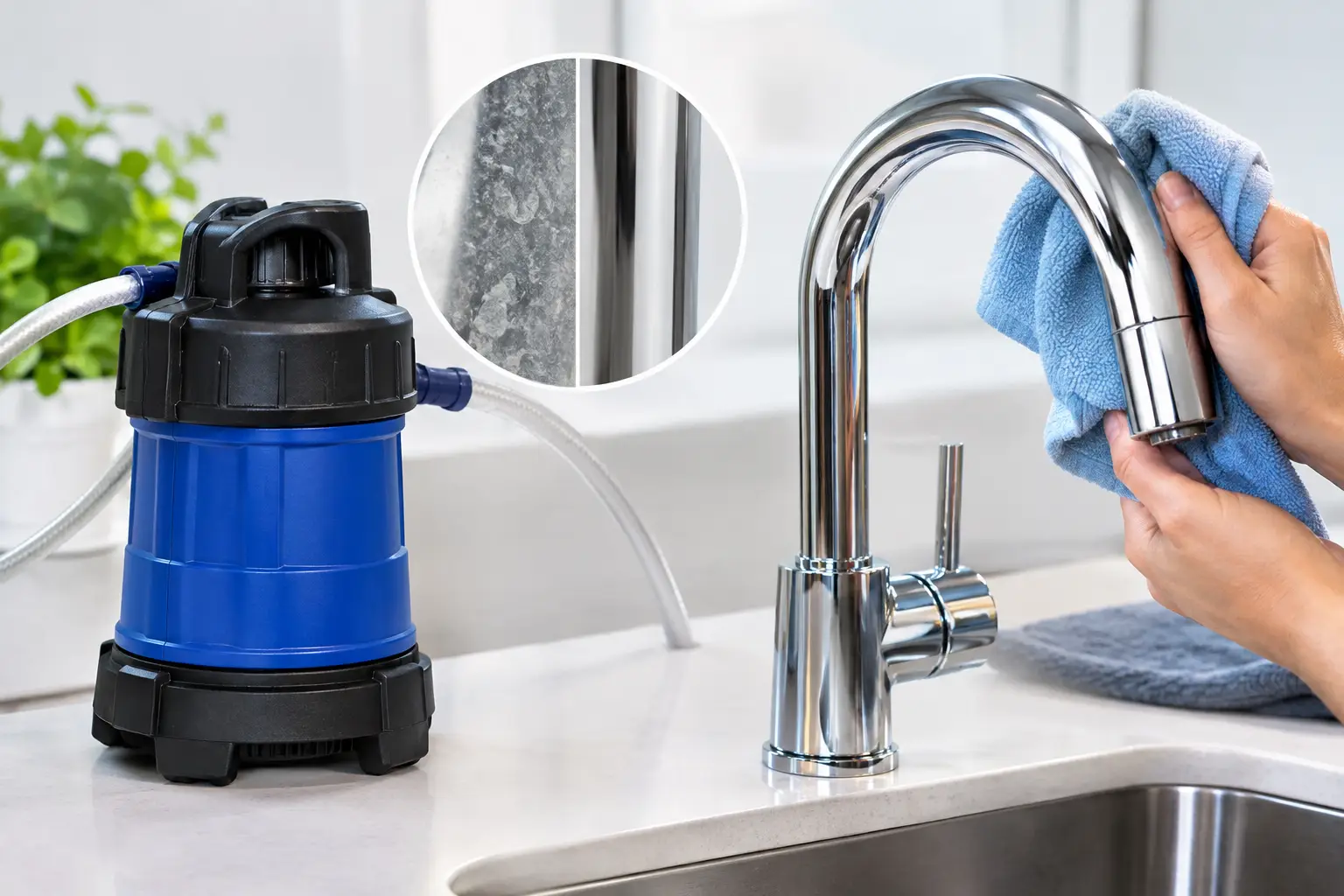
Hard water contains dissolved calcium and magnesium. When wash water evaporates, those minerals remain behind. On a white aircraft, the residue may first show up as faint rings or cloudy patches. On dark paint, glass, polished metal, and leading edges, it can be far more obvious.
An aircraft has plenty of places where water wants to collect: around fasteners, hinges, seals, window edges, antenna bases, landing gear areas, and panel lines. A rushed rinse can leave mineral-heavy water in all of them. Once it dries, the crew is left chasing spots with towels, quick detailer, or another rinse.
Hard water also works against cleaning chemicals. Mineral content can reduce suds and make soap less effective, which encourages more product, more scrubbing, and more time on the ramp. The goal is not to replace approved aviation cleaning procedures. It is to provide better water for the wash and rinse process those procedures require.
What a Portable Water Softener Does
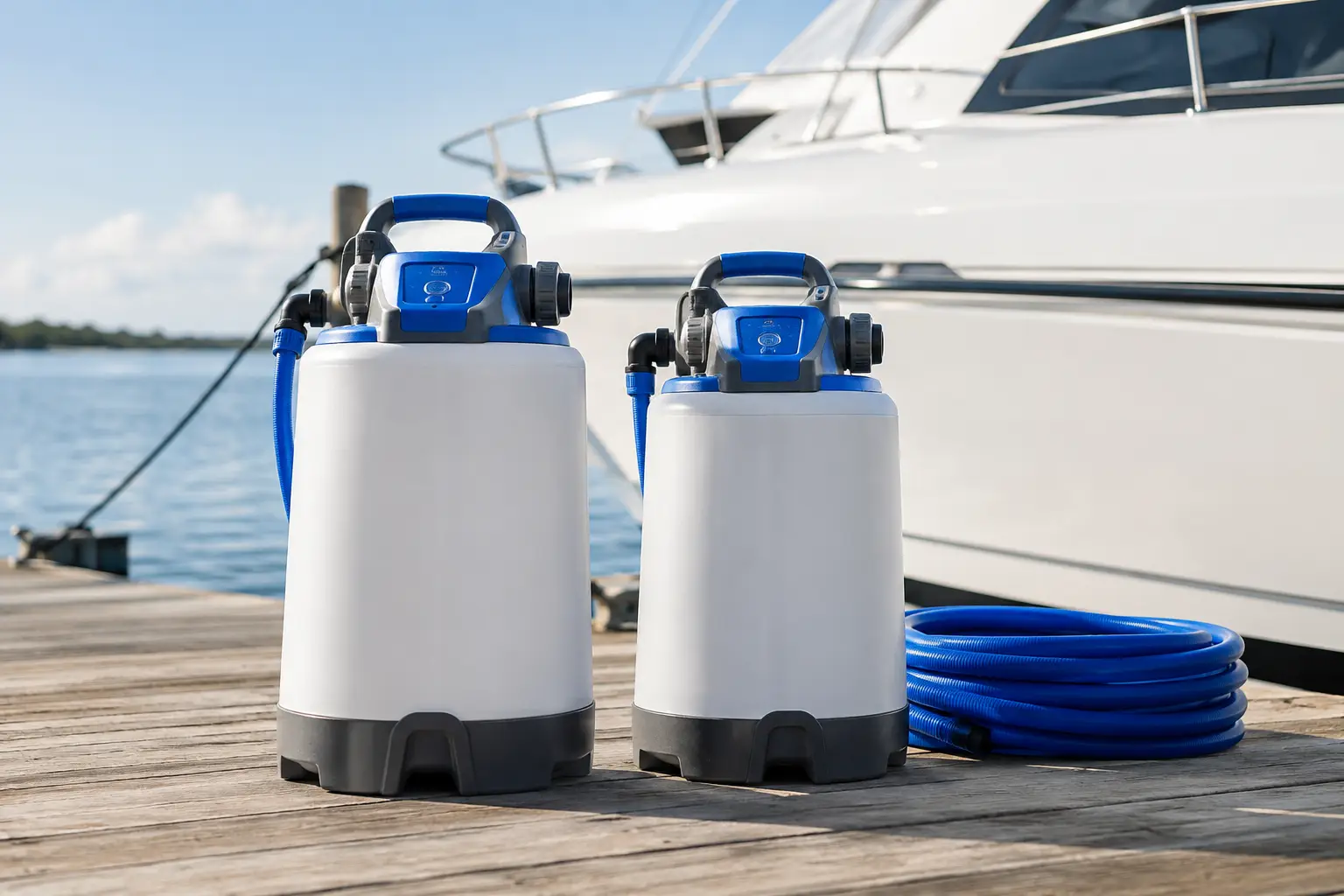
A portable water softener for aircraft washing uses resin media to remove the calcium and magnesium that cause hard-water problems. Water enters the unit through a standard hose connection, passes through the softening media, and exits as softened water for washing and rinsing.
The practical advantage is simple: the system travels to the aircraft. It can be placed between the water source and wash hose at a hangar, private airstrip, maintenance facility, or remote wash location. There is no electrical hookup and no need to alter existing plumbing.
Softened water is especially useful during the final rinse. It reduces the mineral residue left behind as water dries, giving the crew more time to sheet water off the surface and dry critical areas properly. It also improves the everyday wash experience by helping soap rinse more freely from paint, windows, and exterior components.
A softener is not the same as a deionized-water system. Deionized water removes a broader range of dissolved solids and may be preferred for a highly controlled, spot-free final rinse in certain detailing programs. However, it generally involves different equipment, operating costs, and maintenance expectations. For many aircraft owners and mobile wash crews, soft water is the practical middle ground: meaningful reduction in spotting and scale without a complicated setup.
Where Soft Water Helps Most on an Aircraft
Aircraft washing is about more than making paint shine. It is about cleaning without creating more work afterward. Softened water is particularly valuable on surfaces where mineral deposits are obvious or difficult to remove.
Painted Surfaces and Composite Components
Painted fuselages, wings, tail sections, and composite fairings all show water spotting differently, but none benefit from repeated mineral residue. Soft water reduces the deposits that can dry onto broad horizontal surfaces, especially when washing in warm conditions.
It does not eliminate the need to follow approved cleaning products, dilution ratios, and manufacturer guidance for the aircraft. It does help the crew get a cleaner rinse with less residue left to polish away.
Windows, Windshields, and Exterior Glass
Aircraft windows and windshields deserve careful handling. Mineral spots can make a clean surface look hazy and encourage unnecessary rubbing during the drying process. Using softened water for rinsing helps reduce the deposits that make glass and acrylic surfaces look neglected after a wash.
Use only approved materials and cleaners for the specific window material. Softer water supports that process by reducing the need for aggressive spot removal.
Polished Metal, Chrome, and Brightwork
Mineral spotting is highly visible on polished components, trim, exhaust-adjacent areas, and brightwork. A portable softener can cut down on the white residue and drying marks that undermine the appearance of a freshly detailed aircraft.
This is also where labor savings become easy to see. Less spotting means less handwork after the wash, which matters when the aircraft has a large surface area or a demanding presentation standard.
Landing Gear and Exterior Hardware
Gear components, steps, hinges, and exterior hardware collect water in tight areas. Softened water will not replace careful drying or proper lubrication practices, but it reduces the mineral load being left behind in those locations. That is a sensible step in a maintenance-minded wash routine.
Choosing the Right Portable Unit
The best unit is not necessarily the largest one. It depends on the aircraft size, the hardness of the source water, how often the aircraft is washed, and whether the softener will serve other equipment such as an RV, tow vehicle, or boat.
Capacity matters because resin has a finite ability to remove hardness minerals before it needs recharging. Very hard water uses that capacity faster than moderately hard water. A light aircraft washed occasionally may need a different capacity than a large cabin-class aircraft receiving regular exterior care.
Portability matters just as much. Look for a system that is easy to move across a hangar floor or transport in a service vehicle, with durable connections and construction suited to outdoor use. The point of portable equipment is to make a better wash routine easier to use, not to create another item that stays in storage because setup is inconvenient.
Wet Spot portable soft water systems are built for mobile applications with no electrical hookup, no loss of water pressure, and manual recharge maintenance. That straightforward design suits owners and crews who need dependable soft water where the aircraft is parked.
Set Up the System for a Better Wash Routine
Start with a clean water source and inspect the hose, fittings, and softener connections before use. Position the unit where it will remain upright and protected from vehicle traffic, prop wash, and foot traffic. Connect the source hose to the inlet and the wash hose to the outlet, then run water briefly to confirm normal flow before introducing soap or beginning the rinse.
Wash from the top down using aviation-approved products and methods. Avoid blasting water into openings, vents, seals, or sensitive areas. Soft water improves the quality of the wash water, but it does not change the need for disciplined aircraft-washing practices.
For the final rinse, work methodically so water does not sit and dry on the surface. Rinse manageable sections, allow water to sheet away, and dry areas where water can collect. In direct sun or high heat, work in smaller sections and do not assume any water treatment system eliminates the need to dry the aircraft properly.
Recharge Is Part of Ownership
Portable softeners need periodic recharge to restore the resin’s ability to remove calcium and magnesium. This is normal maintenance, not a product failure. The timing depends on water hardness and how much water has passed through the unit.
A noticeable return of spotting, reduced soap performance, or a known capacity interval can signal that recharge is due. Follow the system’s recharge instructions exactly and use the specified salt or regenerant. Keeping a simple log of washes and recharge dates helps a flight department or detail crew avoid guessing.
Consider testing source-water hardness when you begin using the unit, especially if you wash at more than one airport or seasonal location. Water quality can vary significantly, and knowing the hardness level makes it easier to plan capacity and maintenance.
Protect the Aircraft and the Wash Site
A better wash result should never come at the expense of safety or environmental responsibility. Use approved wash locations, follow airport and local runoff requirements, and keep detergents out of storm drains where required. Confirm that your selected soap and cleaning process are appropriate for the aircraft’s paint, windows, seals, and materials.
Also protect the softener itself. Drain and store it according to its instructions when freezing temperatures are possible. Inspect fittings and hoses regularly, and do not leave equipment where it can become a trip hazard or be damaged by ramp activity.
The right water will not replace good technique, but it makes good technique pay off. With softened water at the hose, the final rinse leaves less mineral residue behind, the drying process goes faster, and the aircraft is more likely to look as clean an hour after the wash as it did the moment the water stopped flowing.